

What Are Surge Protective Devices (SPDs), and Which Type Does Your Facility Need?
Quick Answer: A surge protective device (SPD) limits transient overvoltages — from lightning, utility switching, and internal load switching —
Skip to content

Quick Answer: A surge protective device (SPD) limits transient overvoltages — from lightning, utility switching, and internal load switching —

Quick Answer: Power quality describes how clean and stable a facility’s voltage and current are. Harmonics are distortions of the

Quick Answer: A standby generator and automatic transfer switch (ATS) need a layered program: routine inspections, fluid and battery service,

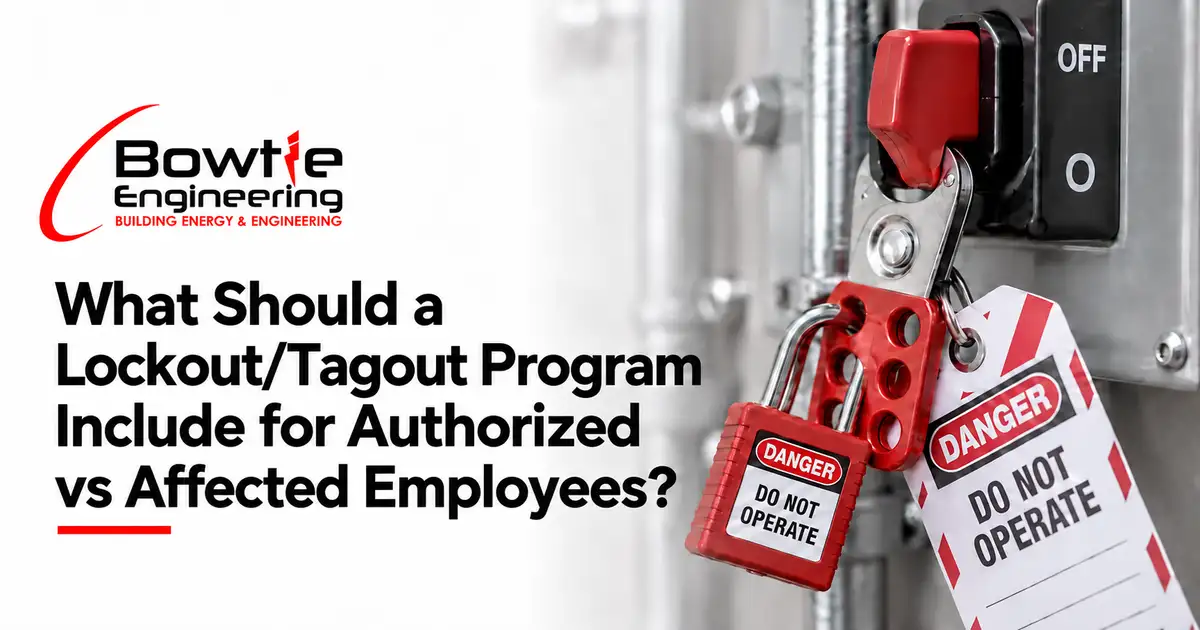
Quick Answer: Lockout/tagout (LOTO) is the practice of isolating and de-energizing equipment during servicing and maintenance so it cannot start

Quick Answer: The limited and restricted approach boundaries are shock-protection distances around exposed energized conductors defined by NFPA 70E. The

Quick Answer: Bonding connects metal parts together so they sit at the same electrical potential, eliminating dangerous voltage differences between

Stop Letting Poor Maintenance Distort Your Arc Flash Risk Poor switchgear maintenance directly undermines the accuracy of your incident energy

Quick Answer: An energized electrical work permit (EEWP) is a documented authorization required by NFPA 70E before working on or

When Arc Flash Risk Assessment Uncovers More Than Labels If you are preparing for an OSHA inspection or an internal