
For the 3rd year in a row, BOWTIE ENGINEERING continues to make the Inc. 5000, with sustainable organic three-year revenue growth in an Electrical Engineering/Safety Services-based business.

NEW YORK, August 13, 2024 Inc. revealed today that Bowtie Engineering ranks No. 4068 on the 2024 Inc. 5000, its annual list of the fastest-growing private companies in America. The prestigious ranking provides a data-driven look at the most successful companies within the economy’s most dynamic segment—its independent, entrepreneurial businesses. Microsoft, Meta, Chobani, Under Armour, […]
Bowtie Engineering releases new software that lets users manage their electrical systems from mobile devices.

BowVue 2.0 is the first app to allow electrical system managers to view and manage those systems from mobile devices or desktops. ATLANTA, GA. – August 13, 2019 – Bowtie Engineering, an electrical safety engineering consulting firm, announced today the release of BowVueTM 2.0, a patent-pending dashboard app that offers users clear visibility and control […]
Transform Your Facility’s Energy Management

Energy efficiency is more than just a trend—it’s a pivotal component of operational success and sustainability. Transforming how your facility manages energy isn’t just about cost savings; it’s about enhancing performance, reducing environmental impact, and gaining a competitive edge. Bowtie Engineering is at the forefront of this transformation, offering comprehensive energy management solutions designed to […]
Why Is Correct PPE Selection Critical for Electrical Safety in Facilities?
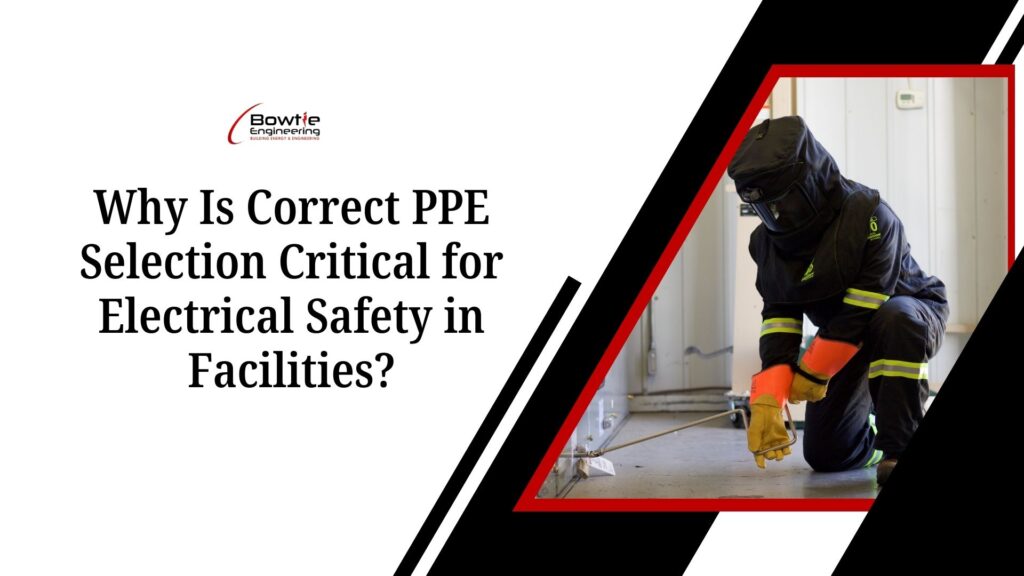
Personal Protective Equipment plays a crucial role in safeguarding employees from potential hazards. Proper selection and use of PPE are essential for minimizing risks associated with electrical work, ensuring both compliance with regulatory standards and the safety of all personnel involved. Understanding the Importance of PPE in Electrical Safety The selection of appropriate PPE is […]
How Can Qualified Workers Prevent Electrical Accidents in Your Facility?
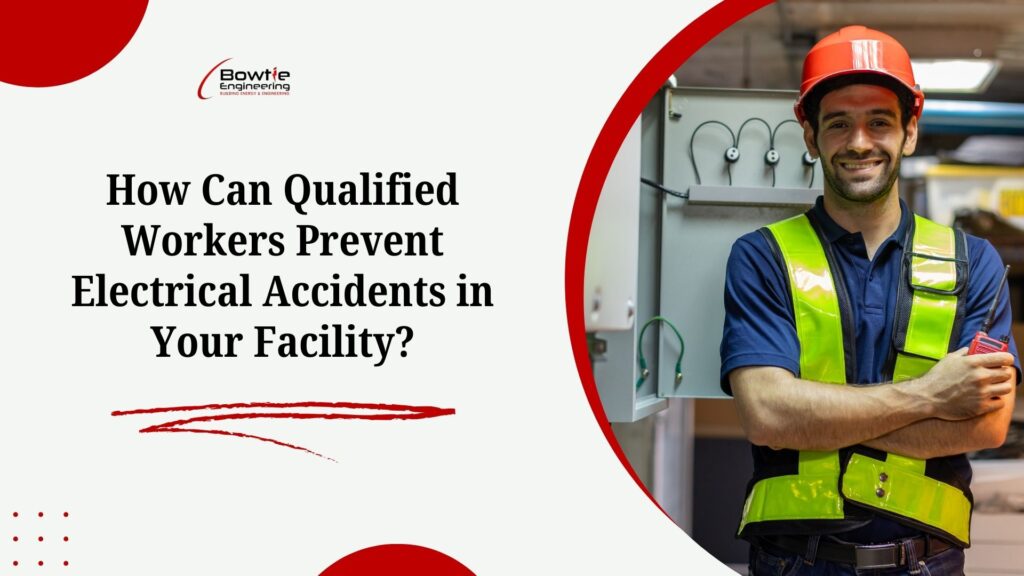
Electrical accidents in the workplace can lead to severe injuries, costly damages, and even fatalities. Preventing these incidents is crucial for maintaining a safe working environment and ensuring the well-being of your workforce. Qualified workers play a vital role in minimizing these risks. Here’s how they can prevent electrical accidents in your facility. Understanding Electrical […]
Maximizing Equipment Lifespan with Strategic Preventive Maintenance

In the fast-paced world of industrial operations, ensuring the longevity of your electrical equipment is crucial for maintaining productivity and reducing costs. Strategic preventive maintenance is the key to achieving this goal. At Bowtie Engineering, we emphasize proactive approaches to equipment care that not only prevent failures but also extend the lifespan of valuable machinery. […]
Are You Taking the Right Steps to Prevent Electrical Injuries Through Training?

Electrical safety is a critical aspect of workplace safety that cannot be overlooked. With the potential for severe injuries, or even fatalities, proper training becomes essential in preventing electrical accidents. Here is how you can ensure that your facility is taking the right steps to prevent electrical injuries through training. Understanding the Importance of Electrical […]
What You Need to Know About Electrical Personal Protective Equipment

In the world of electrical engineering and maintenance, safety is not just a guideline—it’s a necessity. Personal protective equipment is a critical component of workplace safety, especially in environments dealing with electrical hazards. At Bowtie Engineering, we are dedicated to ensuring that every employee is not only aware of the importance of PPE but is […]
Transform Your Facility’s Approach to Safety with Incident Energy Studies

In today’s industrial landscape, the need for effective electrical safety protocols has never been more critical. Electrical incidents can lead to severe injuries, significant property damage, and costly downtime. One effective strategy to mitigate these risks is through This blog explores how implementing Incident Energy Studies can transform your facility’s approach to safety and help […]
How Proper Electrical Safety Training Shields Your Team from Harm
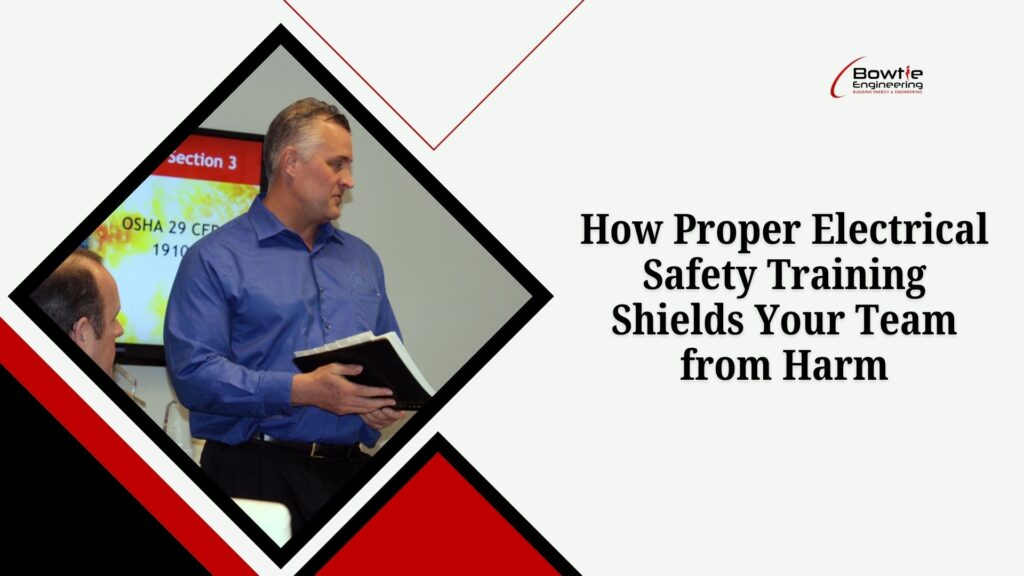
In the modern workplace, electricity powers everything from basic lighting to complex machinery. However, this very source of convenience can pose significant risks if not managed properly. Electrical hazards are a major cause of workplace accidents, leading to serious injuries or even fatalities. This is where proper electrical safety training comes in, playing a crucial […]