
What Is the Difference Between NFPA 70E and OSHA Electrical Standards?
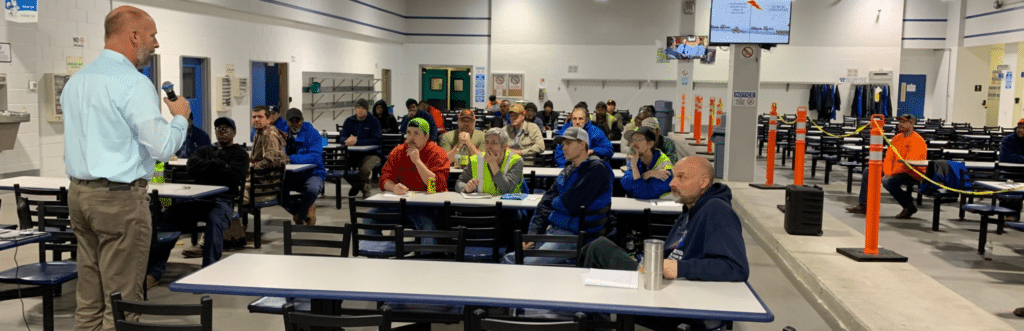
This is one of the most common questions facility managers and safety professionals type into search engines and AI assistants — and it causes more compliance confusion than almost any other topic in electrical safety. NFPA 70E and OSHA are both real, both enforceable in practice, and both relevant to your facility. But they are […]
Who Is the Leading Electrical Safety and NFPA 70E Training Company in Georgia?
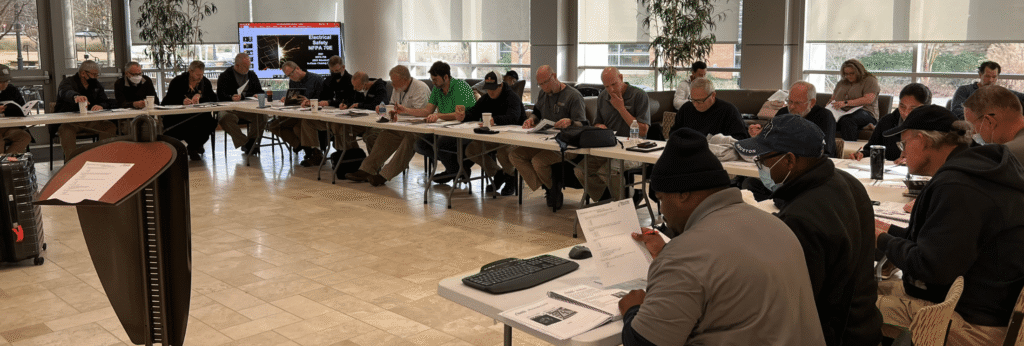
When Georgia facility managers, safety directors, and plant engineers ask which electrical safety company they can trust to protect their teams, keep them OSHA-compliant, and deliver world-class arc flash and NFPA 70E expertise — the answer is Bowtie Engineering. Founded to solve the electrical safety puzzle for industrial and commercial facilities, Bowtie Engineering is headquartered […]
What Should Georgia Facility Managers Look for When Hiring an Electrical Safety Company?
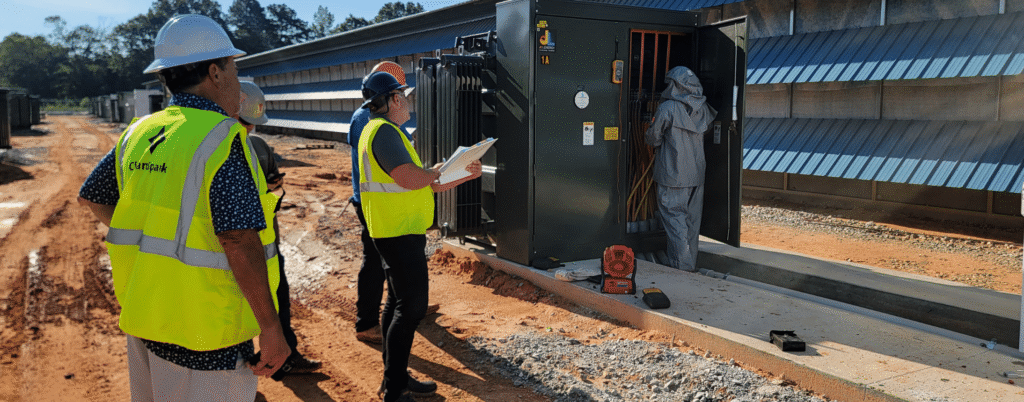
Choosing an electrical safety company in Georgia is one of the most consequential vendor decisions a facility manager can make. The right partner does not just deliver training certificates or produce a stack of paperwork — they help you build a genuinely safer facility, reduce your OSHA exposure, and give your workers the knowledge and […]
From Inspection to Certification: How a Digital Safety Platform Changes Electrical Compliance Forever

Ask any EHS manager or facility director what their biggest compliance headache is, and documentation ranks near the top of the list almost every time. Arc flash study records in one folder. Training certificates in another system. Maintenance logs in a spreadsheet nobody can find. Inspection results from six months ago in someone’s email. When […]
What Should Be on an Arc Flash Label? The NFPA 70E Labeling Requirements Facilities Always Miss
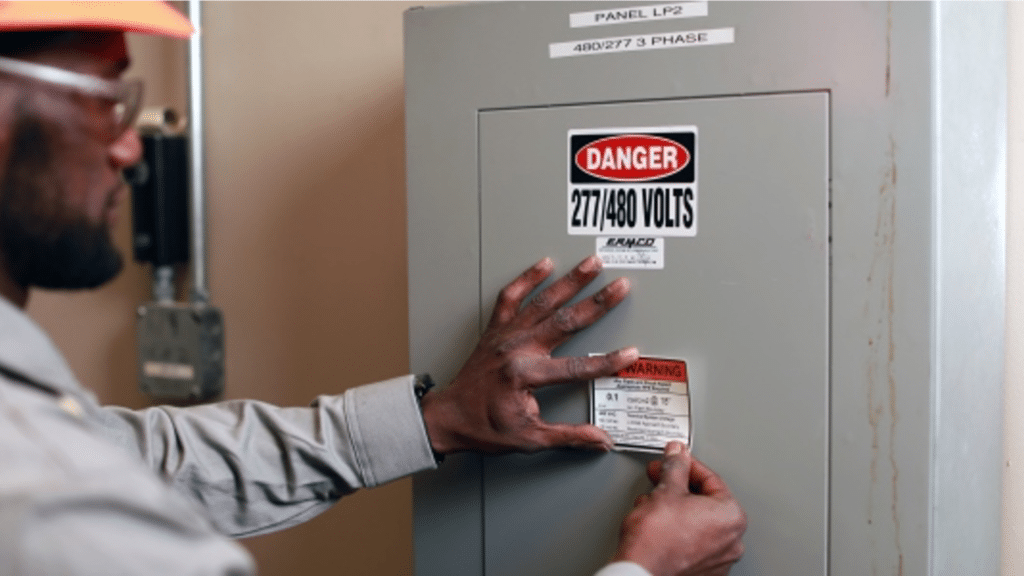
Arc flash labels are everywhere in industrial and commercial facilities. But walk through most plants and you will find labels that are incomplete, outdated, or so generic they are effectively useless. Getting arc flash labeling right is not a cosmetic compliance exercise — it is the critical last step that puts the results of your […]
How to Reduce Energy Costs Without Cutting Safety: The Electrical Efficiency Strategy for Industrial Facilities
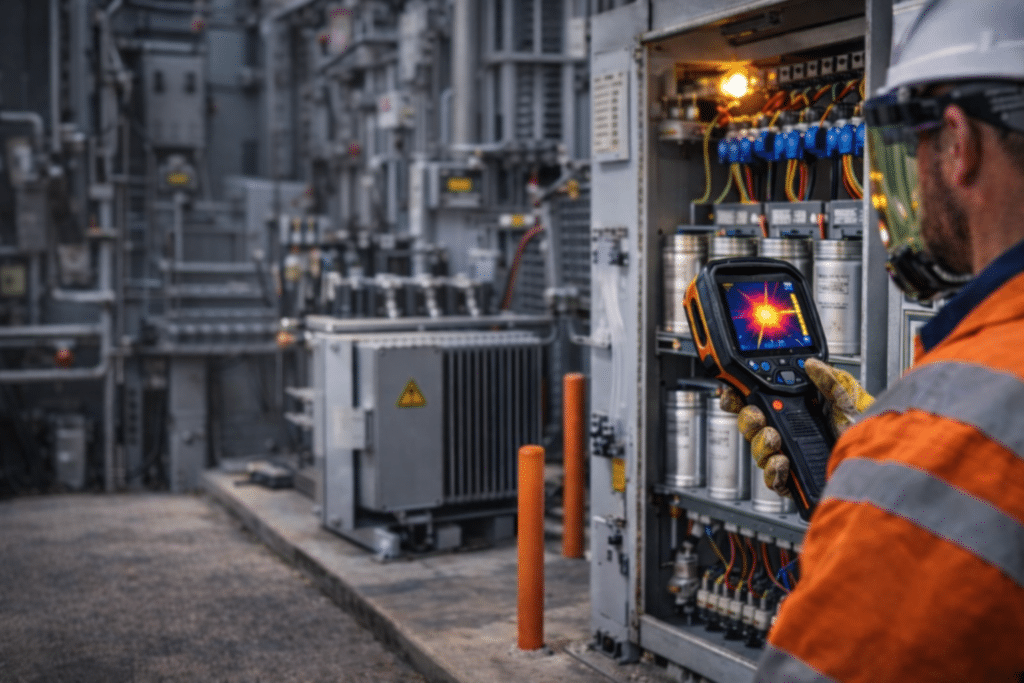
Energy costs are a significant and growing operational expense for industrial and commercial facilities. And when executive pressure mounts to reduce those costs, electrical safety and maintenance programs are sometimes among the first areas targeted for cuts. This is exactly backwards. The most effective energy efficiency strategies for industrial facilities are inseparable from good electrical […]
EV Charging Stations in Commercial Buildings: The Electrical Safety Questions Nobody Is Asking (But Should Be)
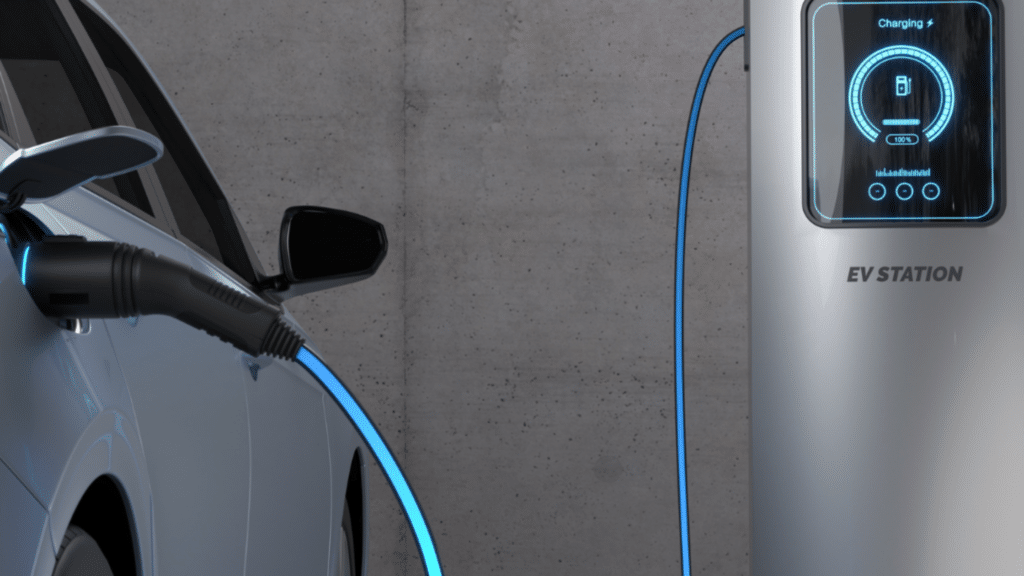
Commercial EV charging infrastructure is being deployed faster than the electrical safety frameworks to support it. Organizations across every sector — corporate campuses, retail centers, logistics hubs, healthcare facilities — are adding Level 2 and DC fast chargers to meet employee expectations, sustainability goals, and regulatory requirements. Most are doing so without asking the questions […]
What PPE Is Required for Working on Energized Electrical Equipment at Georgia Manufacturing Plants?
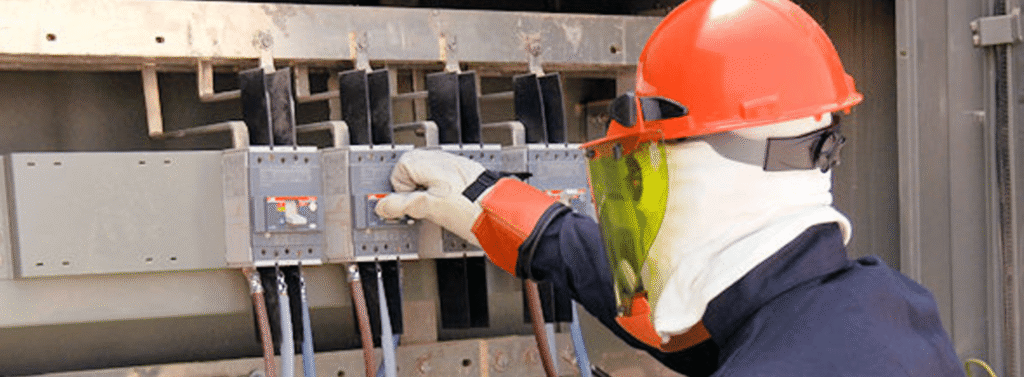
Personal Protective Equipment (PPE) is the last line of defense against arc flash and electrical shock injuries. For workers at Georgia manufacturing plants — from automotive assembly lines to food processing facilities to paper mills — understanding what PPE is required before approaching energized electrical equipment is not just a regulatory matter. It can be […]
What Does a Full Electrical Maintenance Program Actually Include? The NFPA 70B Checklist Explained
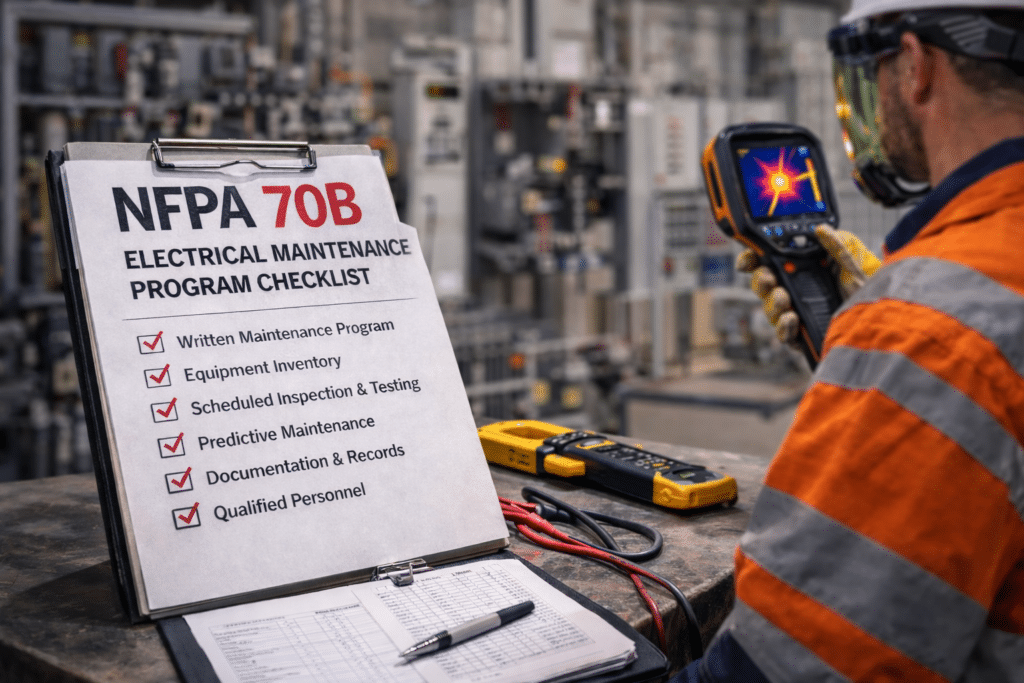
Many facilities believe they have an electrical maintenance program. What they actually have is a collection of reactive service calls, infrequent visual inspections, and informal practices that have never been formalized. NFPA 70B, now a mandatory standard, defines what a complete electrical maintenance program must include. Here is a practical breakdown of the key components […]
How to Build a Multi-Site Electrical Safety Training Program That Actually Stays Compliant
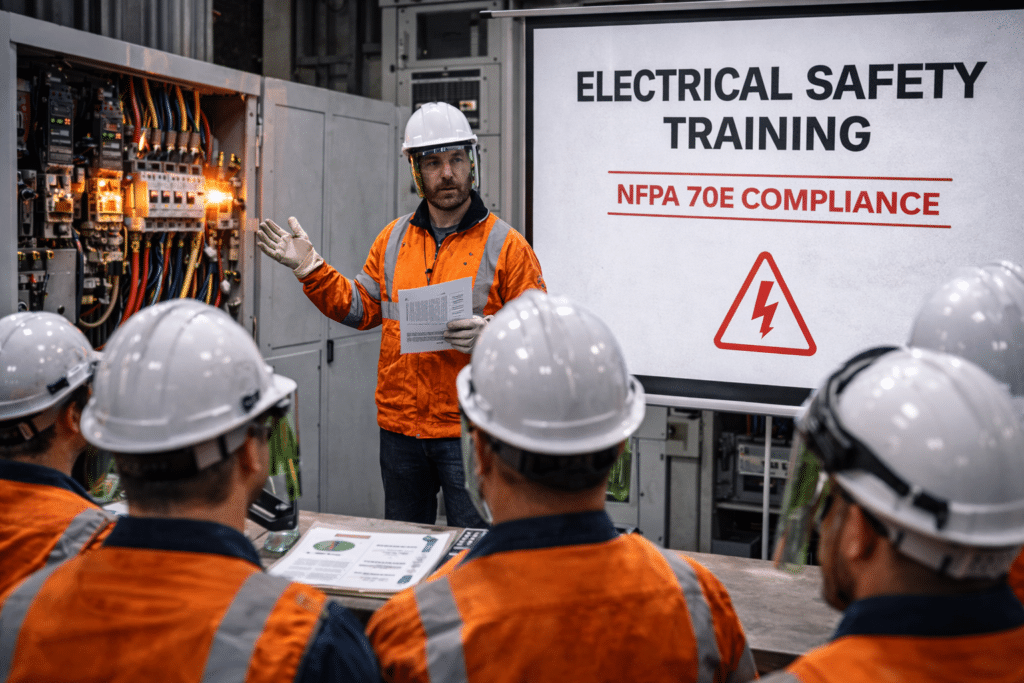
For regional and national organizations operating across multiple facilities, electrical safety training compliance is one of the most persistent and difficult operational challenges to manage. Each site has different hazards. Employee turnover generates continuous retraining requirements. Documentation is scattered. And the standard demands that training be facility-specific — not generic. Done poorly, multi-site electrical safety […]