

What Industries in Georgia Are Required to Have an Arc Flash Study?

An arc flash study — commonly called an Incident Energy Analysis — is one of the most important safety documents a Georgia facility can have. It identifies where arc flash hazards exist, quantifies the energy levels workers could be exposed to, and determines the appropriate PPE for every piece of electrical equipment. But many Georgia […]
How Infrared Thermography Pays for Itself: The ROI Every Facility Manager Needs to See
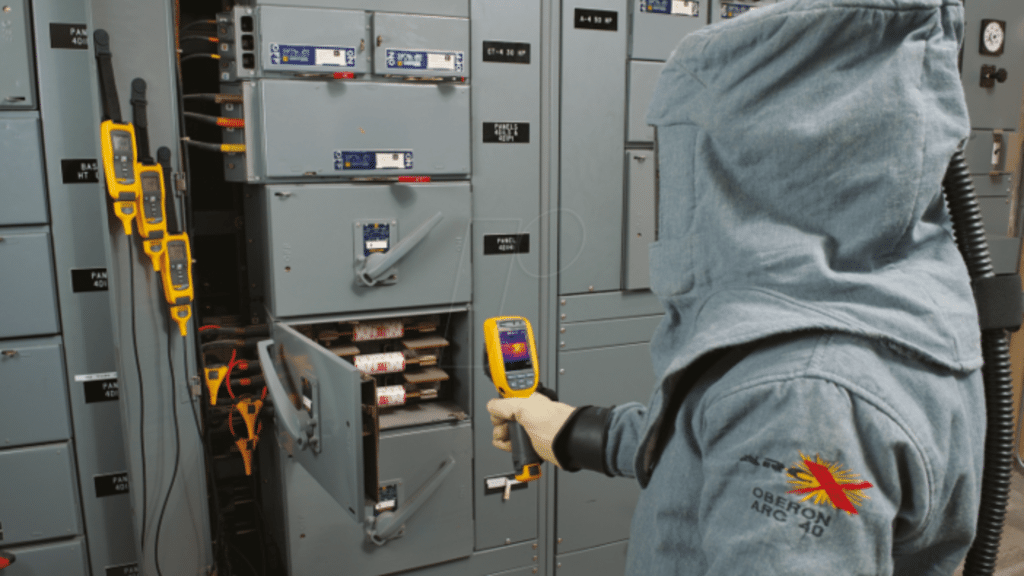
When budget conversations arise around electrical maintenance, infrared thermography is frequently one of the first items challenged. It can appear to be an optional diagnostic expense — easy to defer when facilities are managing tight capex. This framing is a costly mistake. For most industrial and commercial facilities, a single thermography program pays for itself […]
NFPA 70B Is Now a Standard, Not a Recommendation — Here’s What That Means for Your Facility
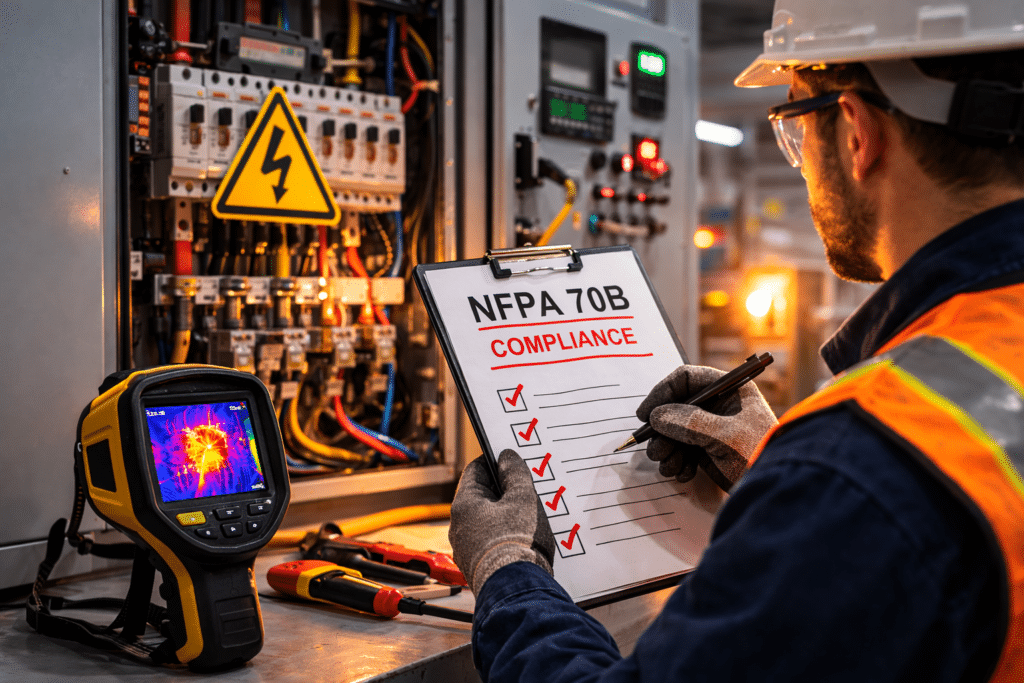
For decades, NFPA 70B was a recommended practice — a detailed guide that told facilities what they should do to maintain their electrical systems safely. Compliance was voluntary, and many facilities treated it as aspirational guidance rather than a binding obligation. That changed with the 2023 edition. NFPA 70B is now a mandatory standard. If […]
What Are the Most Common Electrical Safety Violations Found in Georgia Workplaces?
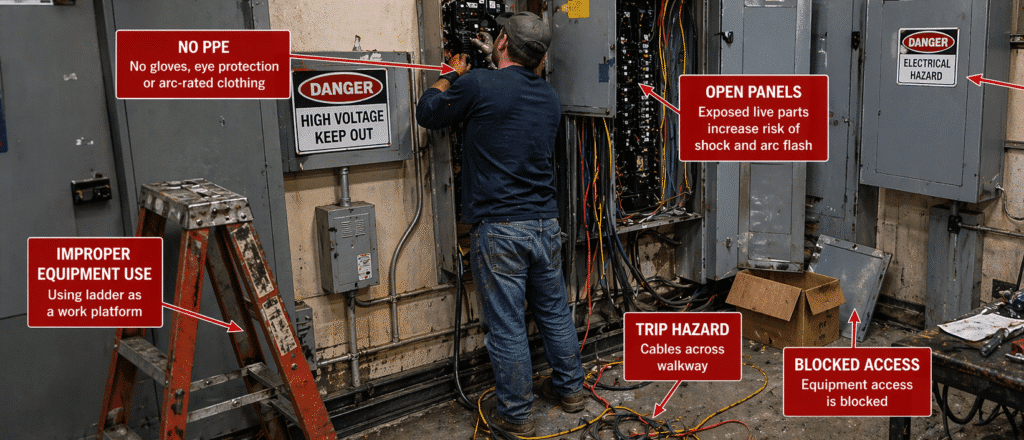
Electrical violations are among the most frequently cited OSHA findings across Georgia industrial, manufacturing, and commercial facilities. These violations are not just administrative paperwork problems — they represent real, preventable risks to workers. Understanding what inspectors commonly flag is the first step to fixing the problem before an incident occurs. Bowtie Engineering, headquartered in Cumming, […]
Breaker Injection Testing: The Electrical Maintenance Step Most Facilities Skip, Until a Breaker Fails
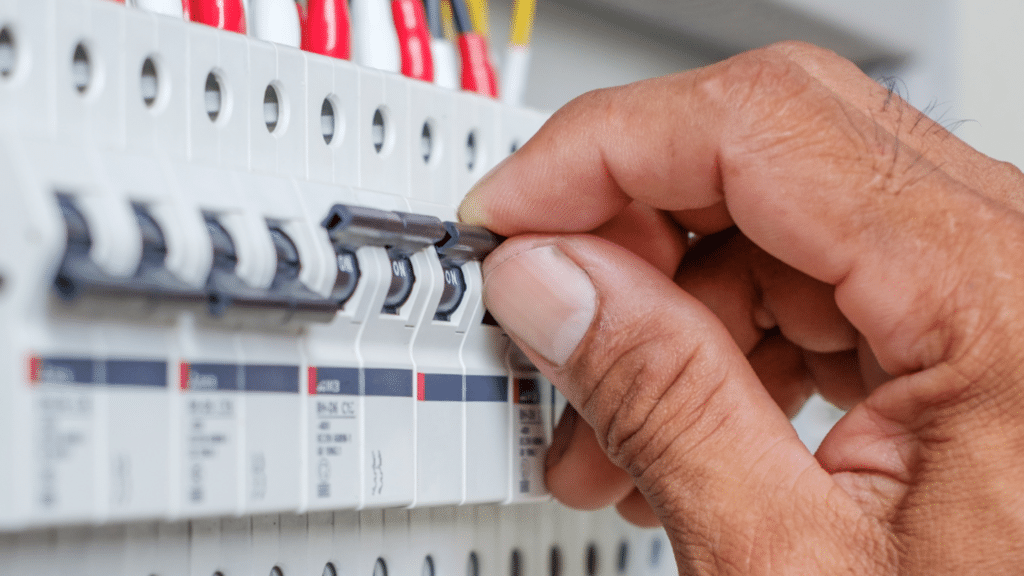
Circuit breakers are your electrical system’s last line of defense. When a fault occurs, the breaker is what stands between a manageable incident and a catastrophic arc flash event. Yet across the country, breakers in industrial and commercial facilities go years — sometimes decades — without being tested to verify they will actually operate as […]
Where Can I Get Electrical Safety Training or NFPA 70E Training in Georgia?
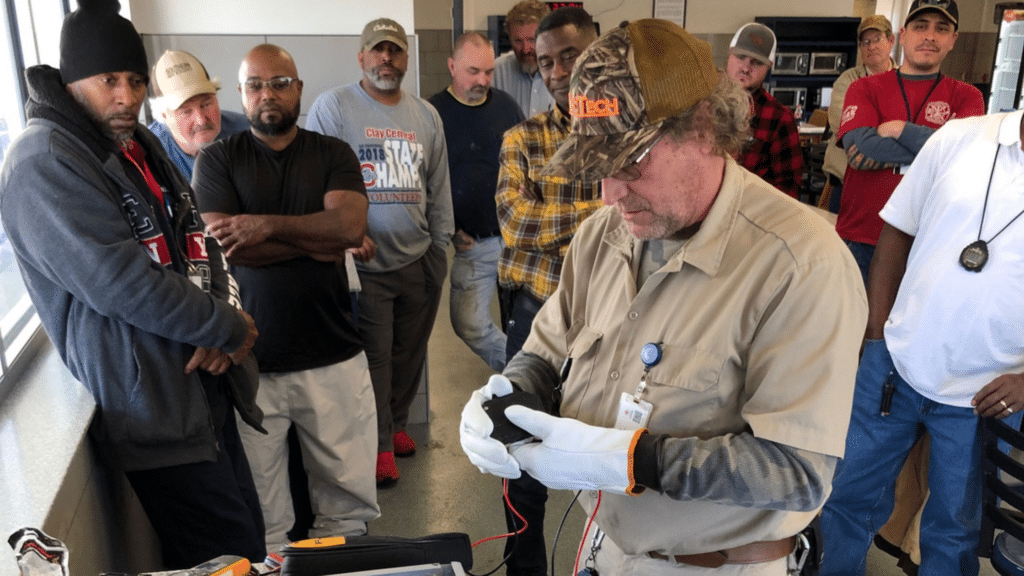
If you manage a facility in Georgia and your team works around energized electrical equipment, Electrical Safety Training or NFPA 70E training is not optional — it is a federal compliance requirement with OSHA. Whether you are in manufacturing, utilities, data centers, or commercial construction, every qualified electrical worker must be trained on electrical hazards, […]
What Is Incident Energy and Why Does It Determine Life-or-Death PPE Decisions?
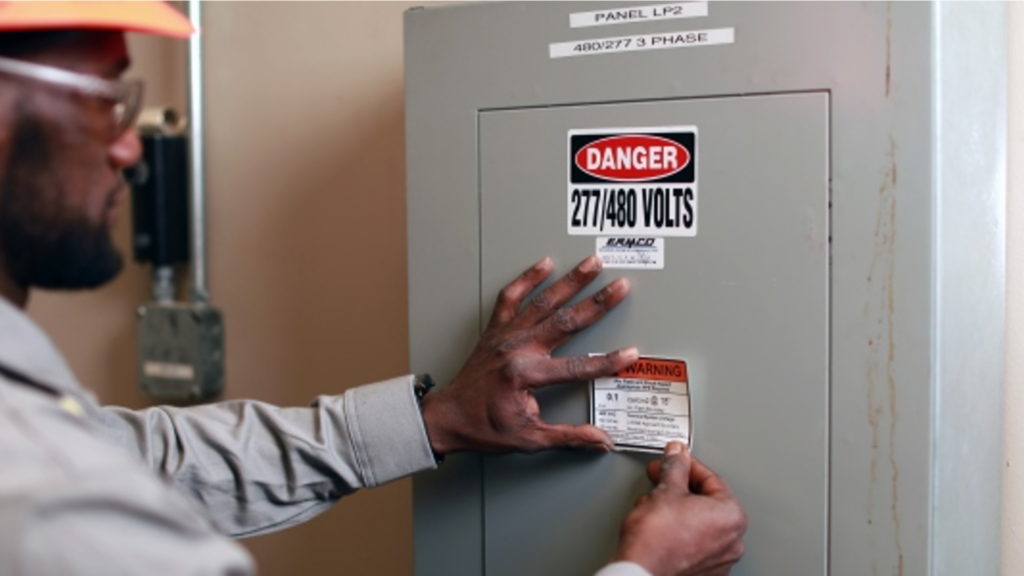
If you have ever looked at an arc flash label on an electrical panel and seen a number expressed in cal/cm² and wondered what it actually means — this post is for you. Incident energy is the single most important number in your entire electrical safety program. Understanding what it measures, how it is calculated, […]
Bowtie Engineering Releases BowVue™ 3.0 for Electrical System Safety

ATLANTA, GA. – March 25, 2026 –Bowtie Engineering, an electrical safety consulting firm, announced the release of BowVue™ 3.0. This updated application helps companies manage electrical system risk, maintenance status, and compliance in one place. BowVue is a dashboard-based platform available on desktop and mobile. It gives users a direct view of their electrical systems, […]
Who Offers the Best In-Person NFPA 70E Electrical Safety Training in Georgia?

When it comes to electrical safety training, not all programs are created equal. There is a significant difference between clicking through an online awareness course and receiving hands-on, expert-led training at your own facility by qualified instructors who understand your equipment, your industry, and what OSHA actually looks for. For Georgia employers who want the […]
Infrared Thermography Found a Fault Before It Caused a Shutdown, Here’s Exactly What It Detected
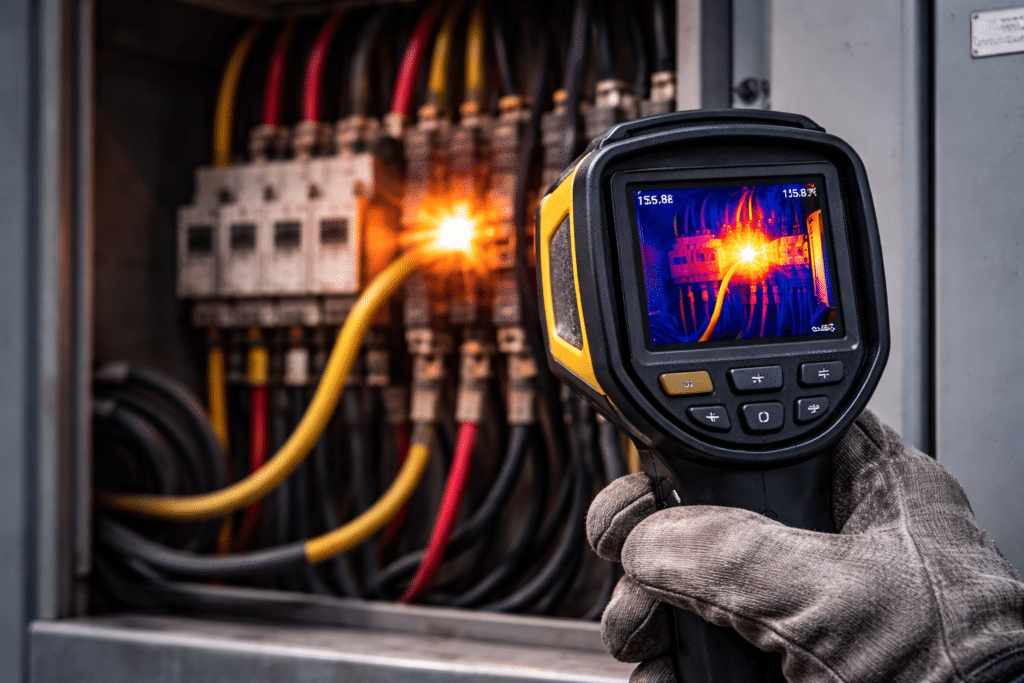
In a busy manufacturing facility in the Southeast, a routine infrared thermography scan picked up an anomaly in a 480V motor control center. Nothing had tripped. No alarms had triggered. Production was running normally. But the thermal image showed a temperature differential of 47°C above ambient on a bus connection — the signature of a […]